




Managing business finances has become one of the most important challenges for small companies. As operating costs rise and competition increases, business owners need more than basic spreadsheets to control expenses, track cash flow, and make better financial decisions.
Modern accounting software helps small businesses organize financial data, automate repetitive tasks, and reduce costly mistakes. For many companies, the right financial tool can improve profitability without increasing sales volume.
Why Accounting Software Matters for Small Businesses
Small businesses often lose money not because they lack customers, but because they do not have clear control over their numbers. Missed invoices, late payments, tax errors, and poor expense tracking can quietly reduce profits.
Accounting software helps business owners:
- Track income and expenses in real time
- Monitor cash flow
- Create professional invoices
- Prepare tax records
- Reduce manual accounting errors
- Understand business profitability
These benefits make accounting software one of the most valuable investments for growing businesses.
Key Features to Look for in Accounting Software
Choosing the right platform depends on the size of the business, the number of transactions, and the level of automation needed. However, the most useful tools usually include the following features.
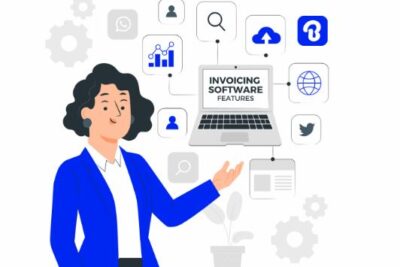
1. Automated Invoicing
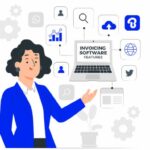
Automated invoicing helps businesses send bills faster and follow up on unpaid invoices. This improves cash flow and reduces the time spent on manual reminders.
2. Expense Tracking
A strong accounting system allows business owners to classify expenses, upload receipts, and understand where money is being spent.
3. Tax Preparation Support
Tax-ready reports help reduce stress during filing season and lower the risk of mistakes. This is especially important for businesses with many monthly transactions.
4. Cash Flow Reports
Cash flow reports show whether a business has enough money to cover expenses, invest in growth, or handle unexpected costs.
5. Bank Integration
Connecting bank accounts and payment platforms allows transactions to sync automatically, saving time and improving accuracy.
Best Accounting Software Options for Small Businesses
Several accounting platforms are popular among small companies because they combine usability, automation, and reliable reporting.
QuickBooks
QuickBooks is one of the most widely used accounting tools for small businesses. It offers invoicing, expense tracking, payroll options, and detailed financial reports.
Xero
Xero is known for its clean interface and strong bank integration. It is often used by businesses that want cloud-based accounting with collaboration features.
FreshBooks
FreshBooks is popular among freelancers and service-based businesses. It focuses on invoicing, time tracking, and client management.
Wave
Wave offers free accounting features for small businesses with basic needs. It can be useful for startups and independent professionals.
How Accounting Software Helps Reduce Costs
Accounting software reduces costs by improving visibility and preventing financial leaks. When business owners can clearly see their numbers, they can make faster and smarter decisions.
Common cost-saving benefits include:
- Fewer accounting mistakes
- Lower administrative workload
- Faster payment collection
- Better budgeting
- Improved tax organization
- Reduced dependency on manual spreadsheets
Over time, these improvements can create a measurable return on investment.
Common Mistakes When Choosing Accounting Software
Many business owners choose software based only on price. This can lead to problems later if the tool does not match the company’s needs.
Common mistakes include:
- Choosing software without checking tax features
- Ignoring integration with banks or payment systems
- Paying for advanced tools that are not needed
- Not training the team properly
- Failing to review reports regularly
The best accounting software is not always the most expensive one. It is the one that fits the business process and helps owners make better decisions.
Accounting Software Trends in 2026
Financial technology continues to evolve. In 2026, small businesses are increasingly using tools that include automation and artificial intelligence.
Important trends include:
- AI-powered expense categorization
- Automatic cash flow forecasting
- Real-time tax estimates
- Integration with payment processors
- Mobile-first financial dashboards
These features help business owners react quickly and manage finances with greater confidence.
Final Thoughts
Accounting software is no longer just a tool for recording transactions. It has become a strategic system for reducing costs, improving cash flow, and increasing profitability.
For small businesses, investing in the right accounting software can create long-term financial stability and help owners make smarter decisions in a competitive market.