




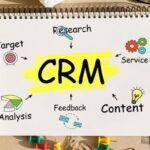


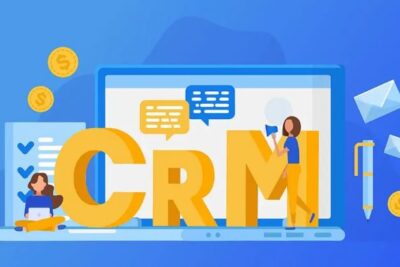
In today’s competitive business environment, small companies are no longer relying on guesswork to grow. Instead, they are leveraging Customer Relationship Management (CRM) systems to turn everyday interactions into measurable revenue.
A well-implemented CRM is not just a contact database—it is a strategic asset that directly influences profitability, customer retention, and long-term growth.
Why CRM Systems Are Driving Higher Revenue
Businesses that adopt CRM platforms gain a clear advantage in how they manage leads, follow up with prospects, and close deals efficiently.
Key benefits include:
- Improved conversion rates through better lead tracking
- Faster response times to customer inquiries
- Increased customer lifetime value
- More accurate sales forecasting
These advantages make CRM-related content highly valuable for advertisers, particularly in the software and business services sectors.
Essential CRM Features That Impact Profitability
Not all CRM systems deliver the same results. To maximize return on investment, businesses should prioritize platforms that offer:
1. Sales Automation
Automation reduces manual workload and ensures no opportunity is missed. From follow-up emails to task reminders, automation increases efficiency and consistency.
2. Data-Driven Insights
Advanced reporting tools allow businesses to identify trends, optimize strategies, and make informed decisions based on real-time data.
3. Multi-Channel Integration
Modern CRM systems connect with email, social media, and advertising platforms, creating a unified view of each customer.
4. Customizable Pipelines
Sales pipelines tailored to specific business models improve deal tracking and increase closing rates.
High-Value CRM Platforms for Growing Businesses
Several CRM solutions dominate the market due to their scalability and performance:
- HubSpot CRM: Popular for its free entry-level features and marketing integration
- Zoho CRM: Known for affordability and strong automation capabilities
- Salesforce: A powerful enterprise-grade solution with extensive customization
- Pipedrive: Designed specifically for sales teams and pipeline visibility
Choosing the right platform depends on business size, budget, and growth strategy.
How CRM Systems Increase Customer Value
Beyond managing contacts, CRM systems enhance revenue by improving how businesses interact with customers:
- Personalized communication based on behavior
- Targeted offers and promotions
- Upselling and cross-selling opportunities
- Consistent follow-up across the sales cycle
These strategies lead to higher spending per customer without increasing acquisition costs.
Common Mistakes That Reduce CRM Effectiveness
Many businesses fail to achieve results due to avoidable errors:
- Lack of team training
- Overcomplicated system selection
- Poor data organization
- Failure to track performance metrics
A CRM system is only as effective as the strategy behind its implementation.
CRM Trends in 2026: Automation and Artificial Intelligence
The next generation of CRM platforms is powered by advanced technologies that enhance decision-making and efficiency:
- AI-driven sales predictions
- Automated customer responses
- Behavioral analytics
- Integration with chatbots and virtual assistants
These innovations allow businesses to anticipate customer needs and respond with precision.
Final Thoughts
Investing in the right CRM system is one of the most impactful decisions a small business can make. It not only improves organization but also drives measurable revenue growth through smarter sales processes and better customer engagement.
As competition increases, businesses that leverage CRM technology effectively will outperform those that rely on outdated methods.